Archives for category: Uncategorized

Chuseok (추석) is one of Korea’s most important holidays and this year it will be celebrated September 7 – 10.  It’s also known as Hangawi, which means the great middle of August/Autumn.  Similar to America’s Thanksgiving, most Koreans return to their hometowns to gather with family, overeat and give thanks for their ancestors and bountiful harvest.  Gifts are exchanged and traditional food and drink such as songpyeon (small rice cakes stuffed with a puree of sesame seeds, chestnuts and red beans) and rice wine are consumed.

Dating back about 2,000 years, legend has it that Chuseok began as a result of a weaving competition between two princesses in the Silla Dynasty.  The fierce competition lasted for a month, ending on the 15th day of the 8th month on the lunar calendar during the full moon.  The loser had to prepare a bountiful feast for the victors.  It is also believed that Chuseok comes from the shamanistic practice of worshiping and giving thanks to their ancestors and the harvest moon.

Since the timing of Chuseok this year gives us a five day weekend (only two weeks into the new semester!) I am going to brave the holiday traffic and head south to Geoje Island with a friend who is also an English teacher in Eumseong.  I hear it’s beautiful and the weather is supposed to be nice.  Upon my return, I promise blog more frequently, as well as post in detail (with lots of photos) about my summer adventure. 🙂

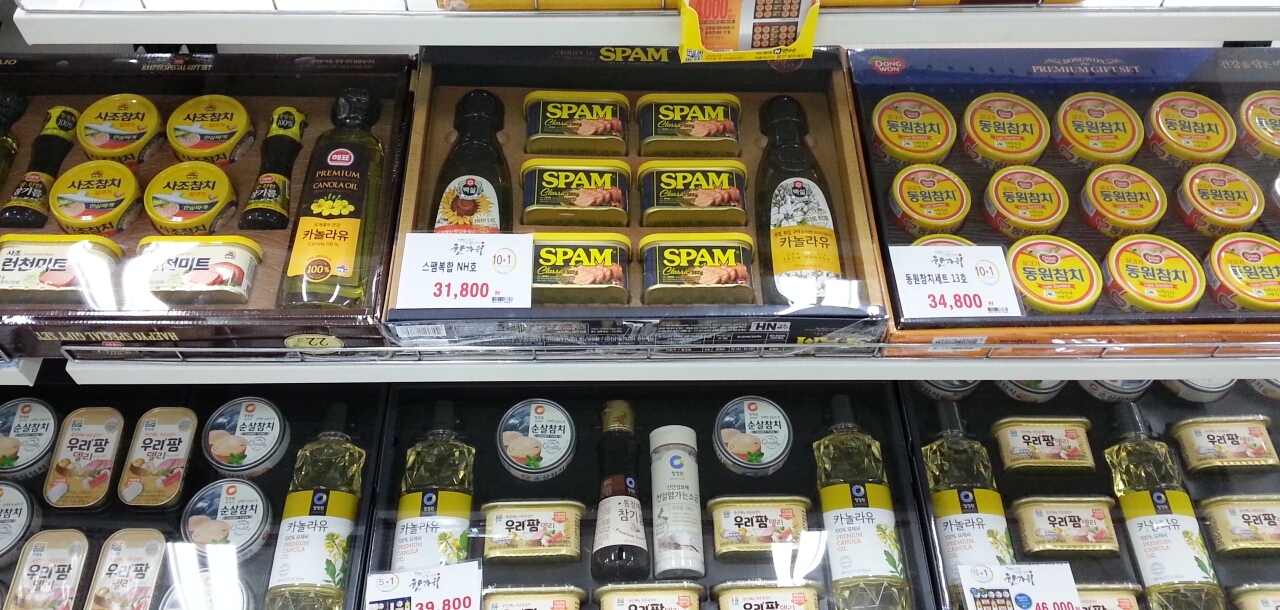
Gift baskets take over grocery stores and markets this time of year.  Who wouldn't want a Spam gift set?

Gift baskets take over grocery stores and markets this time of year. Who wouldn’t want a Spam gift set?

Traditionally, families gather on the eve of Chuseok to make songpyeon, small rice cakes filled with a puree of sesame seeds, chestnuts and sweet red beans. They are usually steamed with a layer of pine needles.

Traditionally, families gather on the eve of Chuseok to make songpyeon, small rice cakes filled with a puree of sesame seeds, chestnuts and sweet red beans. They are usually steamed with a layer of pine needles.

After spending an amazing two weeks exploring the east coast of South Korea with David (hence the lack of posts lately), I am back at work and already daydreaming about future vacations.  It’s been a rough transition back to reality, and it was really sad to see David go home to Denver, but once I get back into the routine of the second semester of school I’m guessing my next adventure (aside from the daily adventure that is teaching in Eumseong) will be here before I know it.

Eventually I will get around to posting about all the amazing places and food we experienced.  In the meantime I’ll give you a sneak peak into the adventure that went like this: Incheon→Seoul→Sokcho→Seoraksan National Park→Gangneung→Gyeongpo Beach→Jeongdongjin→Busan→Jeju Island→Eumseong.  We didn’t hit as many places as we’d originally planned due to some bad weather, but had an incredible time nonetheless.

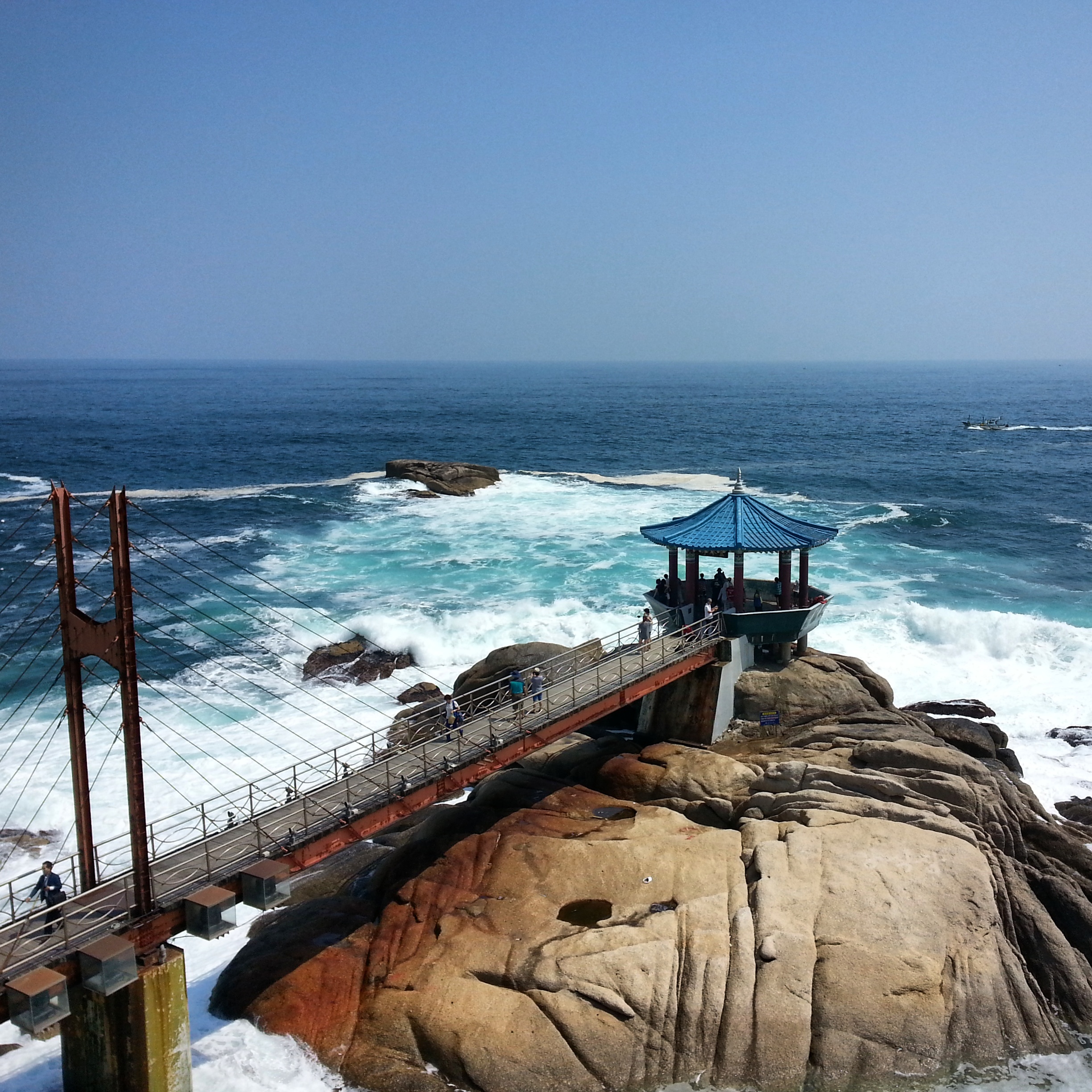
Sunrise Pavilion in Sokcho

Sunrise Pavilion in Sokcho

Seoraksan National Park

Seoraksan National Park

A giant feast of the freshest sashimi on Gyeongpo Beach.

A giant feast of the freshest sashimi on Gyeongpo Beach.

View of the East Sea from Sun Cruise Resort in Jeongdongjin.

View of the East Sea from Sun Cruise Resort in Jeongdongjin.

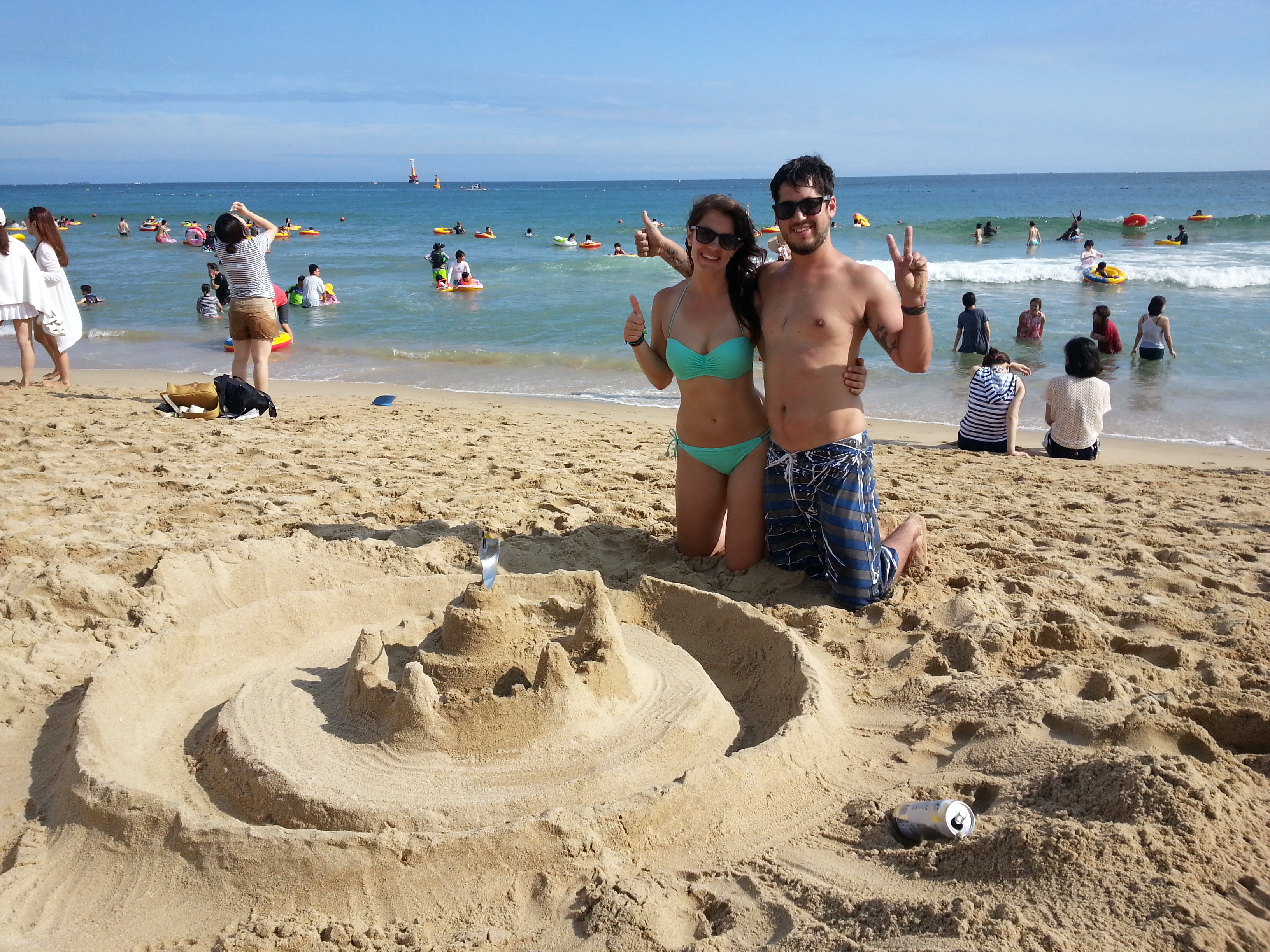
One of the few sunny days we had was spend building a sand castle on Haeundae Beach in Busan.

One of the few sunny days we had was partially spent building a sand castle on Haeundae Beach in Busan.

View from Busan Tower

View from Busan Tower

Jeju Olle, Route 1

Jeju Olle, Route 1

Black pork bbq in Jeju City. It was delicious.

Black pork bbq in Jeju City. It was delicious.

Oedolgae Rock on a Jeju Island.  It was quite stormy that day.

Oedolgae Rock on a Jeju Island. It was quite stormy that day.

David and I having dinner at the end of the adventure in Eumseong.

David and I having dinner at the end of the adventure in Eumseong.

The air has become hot and heavy, rainstorms are frequent and monster mosquitoes seem to be everywhere I go.  That  means the first semester has ended and two weeks of vacation are just around the corner.  As I look back on the past five months, I can’t decide if my first semester teaching in Korea flew by or dragged on at a snail’s pace.  There are times when it feels like only yesterday I stepped off that incredibly long flight on that bitterly cold day in Incheon, not having any idea what I was getting myself into.  Then there are times when it feels like I’ve been here forever.  Either way, I’ve learned a lot since arriving in February, both about myself and Korea.  Here are a few brief and random thoughts on the experience so far:

Living and working in Korea has been much more challenging than I’d anticipated.  So much so that I’ll admit there have been days I’ve wondered how I’ll make it through a year here.

This whole experience has been nothing like I imagined it would be.  It seems that all EFL teachers’ experiences here greatly differ depending on where they’ve been placed (big city versus rural town) and how they are treated by their school and co–teacher.  I have to remind myself not to compare my situation to those of others.  I’m where I am for a reason, and that reason may not have shown its face yet.

My co–teacher thinks I’m strange for not eating rice at least once per day, every single day.  However, I am suddenly finding that I miss it if I go several days without it.

I will never get used to having cockroaches as roommates.

My students get very excited when they see me outside of school (well, most of them anyway), and that makes me happy.

When I hear a Korean say maybe I now know that means yes.

I still need to work on not being a perfectionist.  I find myself not posting on this blog as often as I’d like because I’m worried about making each post perfect, and sometimes I just don’t have the energy for that after a long day at school.  Clearly, they’re not perfect anyway.  Nothing is so why worry about it?

The homesickness that I thought would go away after a month of arriving is still lingering, heavily.  I feel that has something to do with living in a small town, which can be quite isolating at times.  That being said, I still can’t say I would rather have been placed in a large city.

Learning foreign languages is not my forte. I try to study at least a little Korean everyday, and it’s just not sticking (the speaking part, at least).  It’s amazing how much you can still manage to communicate with someone even if you don’t speak the same language, however.

I really do love kimchi.  I think I need to learn how to make it for when I return to the States.

That’s all for now.  This week and next I am busy teaching summer camp, which tends to be more relaxed than regular classes (more games and less grammar), and then I have a full two weeks off.  I am very excited, as David will be visiting from Denver and we’ll be exploring the eastern coast of South Korea, as well as Jeju Island.

20140712_113024

Sunflower season

20140711_181254

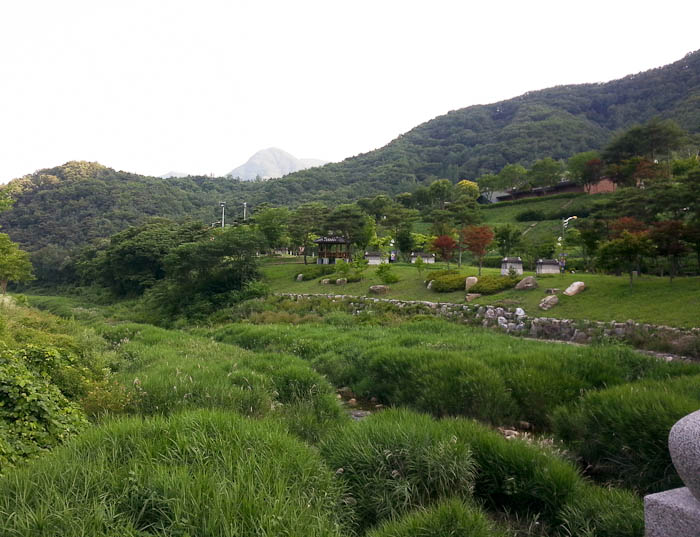
Saejae Valley, Mungyeong

20140711_160656

Goesan Lake

20140712_102752

Mungyeong Saejae Provincial Park

20140712_083956

Starbucks has managed to pop up in the Korean countryside. I suppose I shouldn’t be surprised.

1959350_10203150656955791_1418511426_n

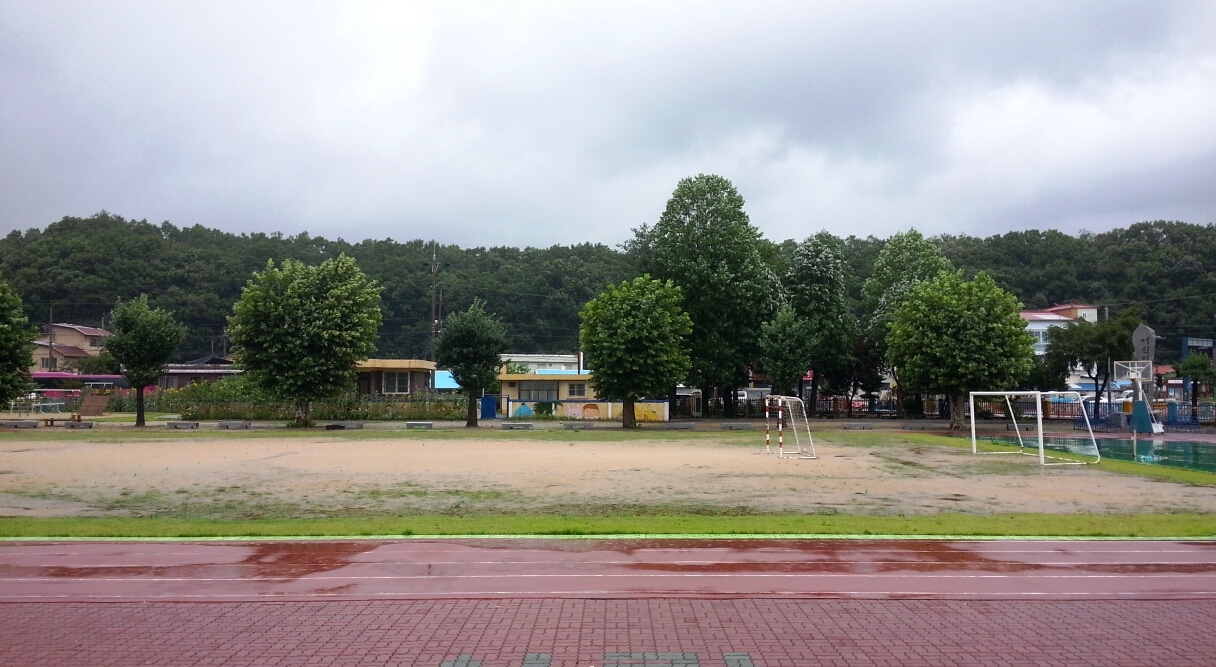
Rainy day schoolyard

20130928_220642

View from the living room of my apartment.

20140712_010732

Me and my co-teacher, Hyunju. Her English name is Chloe. This is her typical pose for pictures.

20140712_120234

Korean bbq with my co-workers.

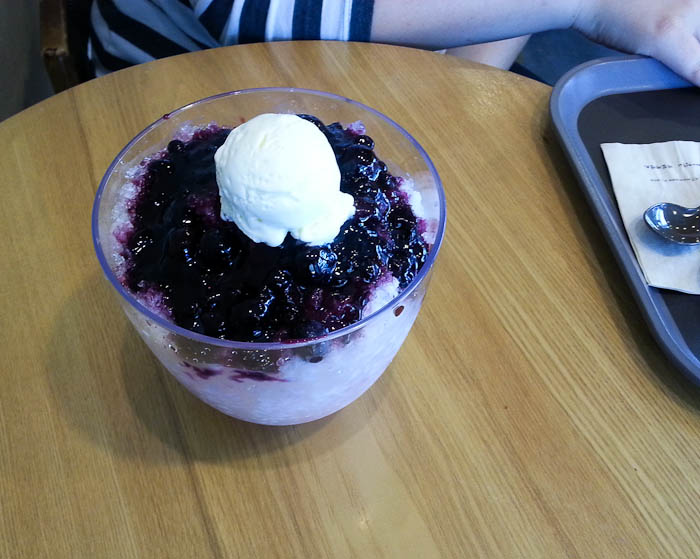
Korean summers are very hot and humid and I don't have air conditioning in my apartment.  To beat the heat, I sometimes escape to an air conditioned cafe that serves bingsu, a popular Korean dessert in the summertime. Bingsu is essentially shaved ice with toppings. In this case blue berries and a small scoop of ice cream.

Korean summers are very hot and humid and I don’t have air conditioning in my apartment. To beat the heat, I sometimes escape to an air conditioned cafe that serves bingsu, a popular Korean dessert in the summertime. Bingsu is essentially shaved ice with toppings. In this case, syrupy blue berries and a small scoop of ice cream. It was delicious.

I knew living and working in Korea for one year was not going to be easy, but there are times when I still automatically reach for the easiest, most comfortable route. When I was asked to go on an overnight trip with the staff at my school, I will admit I immediately tried to find a way out of it.  Staff dinners on a school night are one thing, but 2 days and one night with 26 Koreans who don’t speak English sounded a bit uncomfortable. I was wrong though. Despite the awkwardness, I did have fun and am happy I experienced the Korean version of team building.

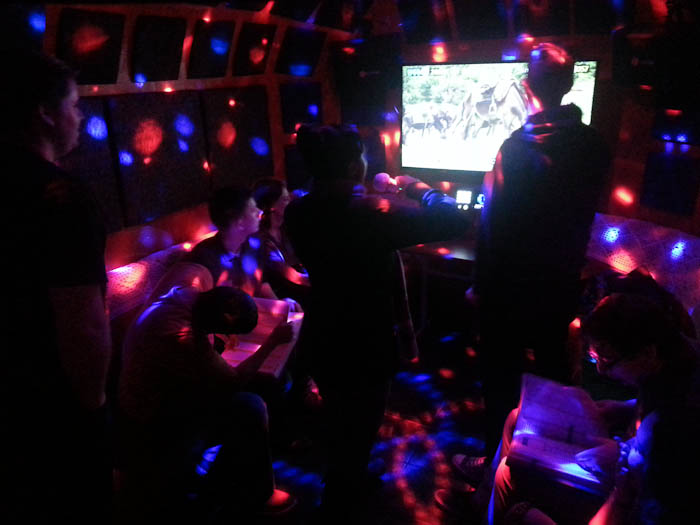
The trip started off at 1:00 on Friday afternoon.  We boarded a bus at school with our overnight bags, all the Koreans whooping in excitement.  I, on the other hand, was busy looking around and noticing how the bus looked an awful lot like a noraebang.  Turns out that’s exactly what it was–a noraebang on wheels.  As soon as we left the school parking lot, the disco lights came on the serenading began.  Wait, really?!  I though I’d at least be tipsy for this!  Each time the song book and remote was handed to me, I quickly passed it on hoping no one would call me out to sing a song.  Seriously, I needed soju if they were going to make me sing.  No such luck though, they demanded I sing and after taking too long to look at the song book they decided I should sing a Beatles song (among the English songs this generations of Koreans know, I assume).  So, Hey Jude it was.  It was terrible, but I think they were very entertained.  They didn’t ask me to sing again though.

I was given an itinerary for the trip right before we left, however it was all in Korean so I really had no idea what we doing or where we were going (information is rarely passed down to me, I’m really learning to just go with the flow).  I just knew there would be lots of hiking, eating and drinking involved.  After an hour on the noraebang bus, we arrived at Goesan Lake which was absolutely beautiful.  It was a very hot, humid afternoon and after being handed a frozen bottle of water, I followed the group for a “hike” around the lake.  About halfway around the lake we stopped for makgeoli (a slightly carbonated alcoholic drink made from rice and wheat) and pajeon (a savory pancake with vegetables).  Makgeoli and pajeon are typical snacks along hiking trails at any hour of the day, and both are quite tasty.

Goesan Lake
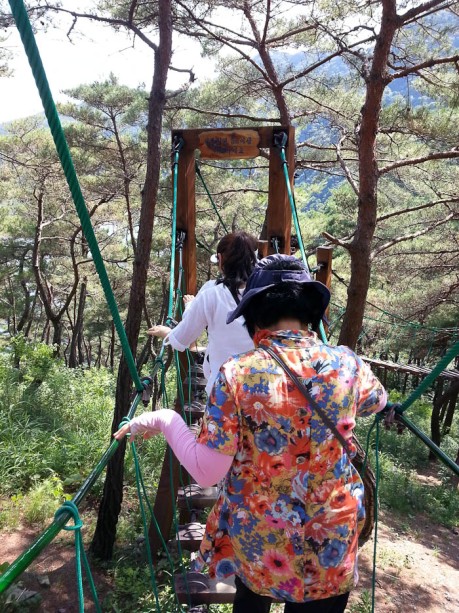
Goesan Lake

20140711_151244

Crossing strange suspension bridges at Goesan Lake.

After downing makgeoli out of traditional style bowls and walking away with a pretty good buzz (apparently makgeoli is gulped, not sipped) we hopped on a boat the took us across the lake and back to where we started.  Then we boarded the mobile noraebang for more singing and arrived at our housing for the night 20 minutes later in Mungyeong.  The bus was unable to make it up the steep hill to the houses, so we walked up to the unique-looking vacation homes–one for all the females, one for all the males–that had a beautiful view of Saejae Valley.
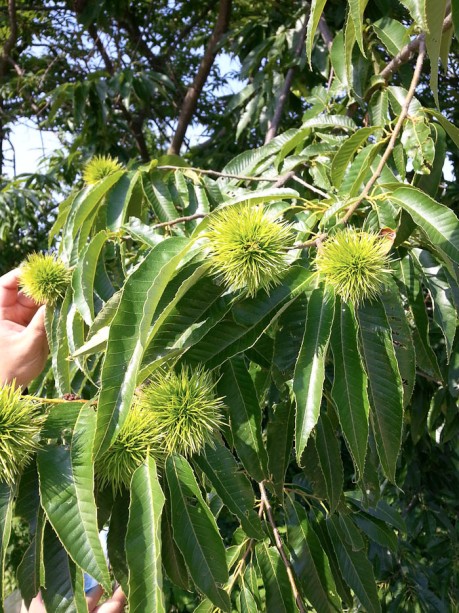
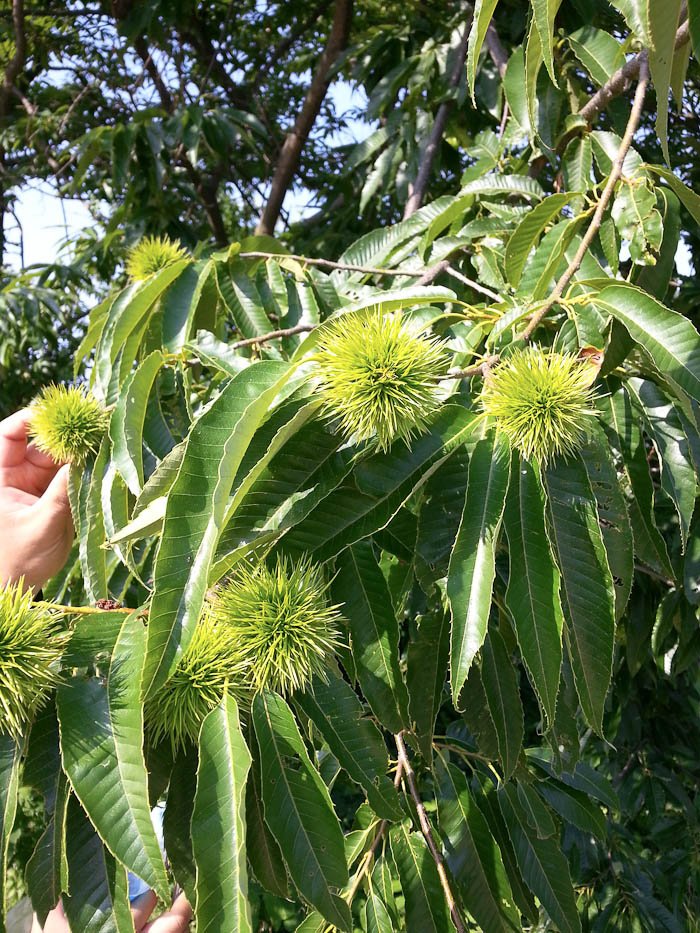
Chestnut trees surrounded the lake making chestnut flavored makgeoli popular in this area.

Chestnut trees surrounded the lake making chestnut flavored makgeoli popular in this area.

The boat that picked us up to take us to the other side of the lake.

The boat that picked us up to take us to the other side of the lake.

View from the boat on Goesan Lake.

View from the boat on Goesan Lake.

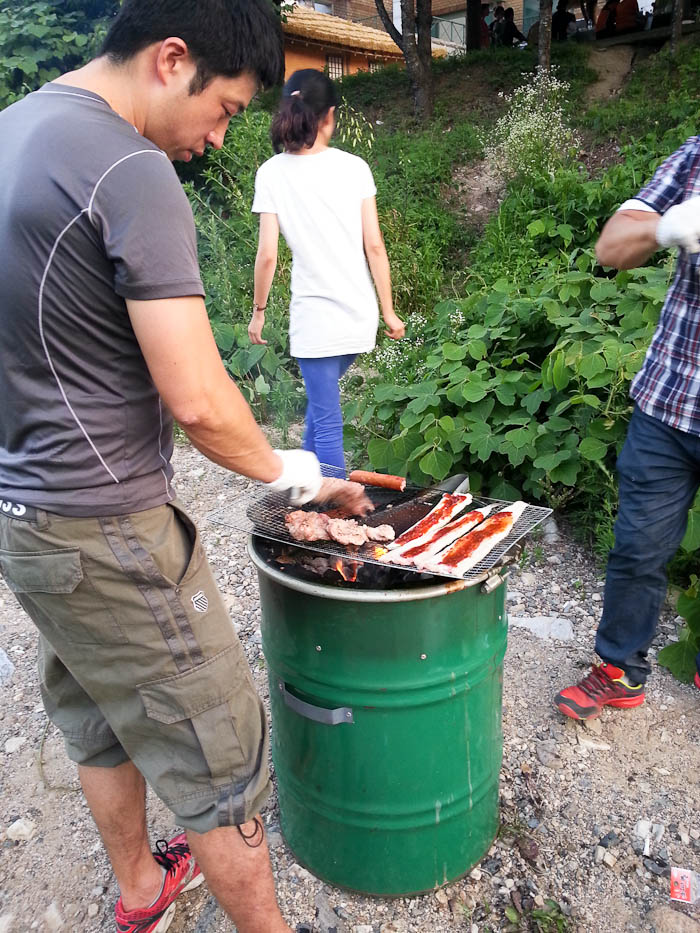
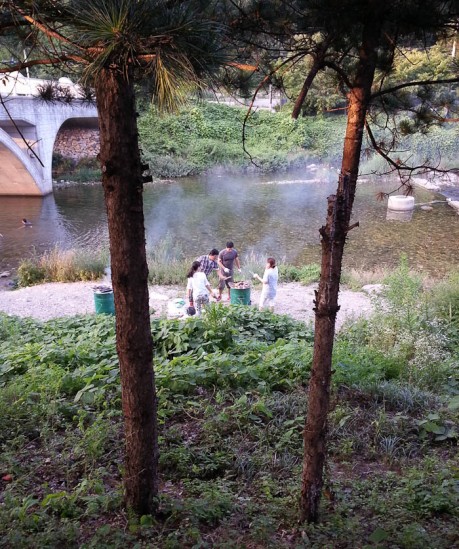
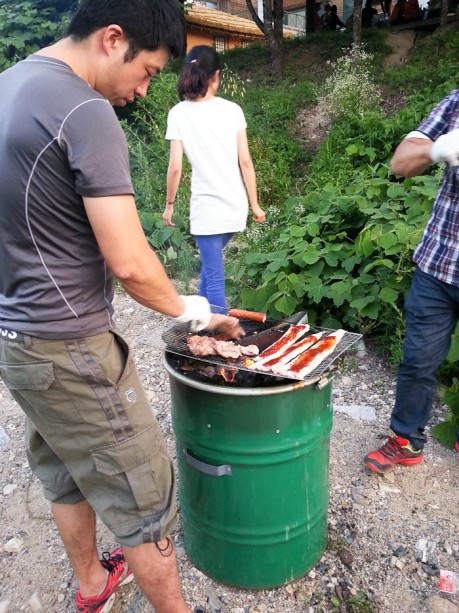
We quickly toured the house and chose sleeping spots.  As I admired the view, wondering what was up next on the itinerary, I turned around to see all the women sitting in a circle on the floor doing yoga-like stretches.  They waved me over to join them, which I did, and followed their stretches, continuing to wonder what all their conversations were about (my co-teacher speaks a decent amount of English, but she wasn’t joining us until later).  It was suddenly announced that it was time for dinner, or at least that’s what I assumed, and we once again boarded the bus.  I thought we were going to a restaurant, but instead we pulled up to a spot by a river where BBQing had already been started by a few teachers who drove all the supplies there.  Tons of pork and sausages (aka hotdogs) were passed around along with rice, kimchi, garlic, onions and some sort of salad with zucchini and onions covered in spicy dressing.  This was of course chased down with soju (a distilled, vodka-like rice liquor) and beer.  I was thinking how full I was when suddenly more food appeared on the grill and I was encouraged to keep eating.  Grilled eel and more pork, followed by grilled mussels, clams and corn on the cob.  I was so full, but I pushed through.  It’s very hard to say no to Koreans when they offer you something.
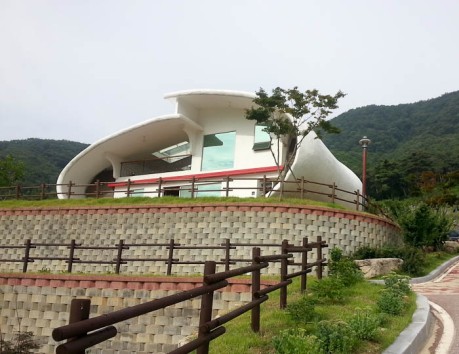
Our interesting looking vacation house.
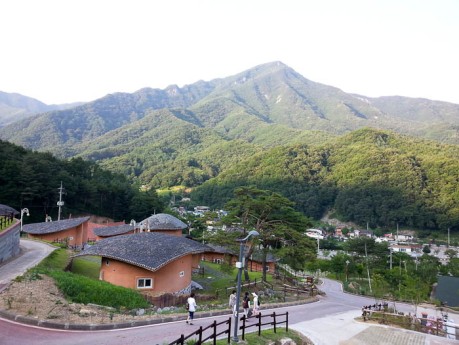
Our interesting looking vacation house.

View from the house.
View from the house.

Dinner being prepared by the river.

Dinner being prepared by the river.

My co-teacher who goes by Chloe.
My co-teacher who goes by Chloe.

Grilled eel.
Grilled eel.

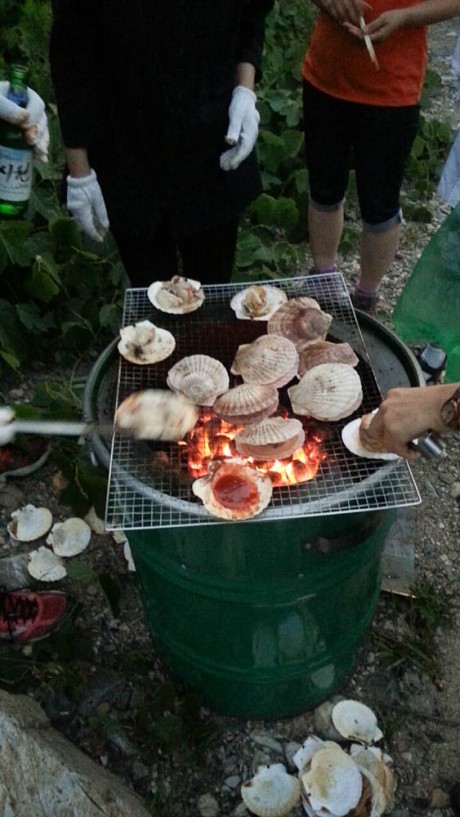
After the pork, eel, hotdogs, and corn, they threw on a bunch of shell fish.

After the pork, eel, hotdogs, and corn, they threw on a bunch of shell fish. (Notice the grill master holding a bottle of soju…can’t cook empty handed!)

My co-teacher finally showed up, and I was a bit relieved to have someone to communicate with (even though she’s not much of a translator).  After enjoying dinner beneath a nearly full moon by the river, we headed back to the house.  At this point it was close to 9:00 and I wondered what was next.  More drinking, I assumed, as three tables were set up in the middle of the living room.  Soju bottles and beer cans were placed on the tables, followed by plates of watermelon, bowls of chips and nuts, huge plates of cold noodle salad and platters of pork, along with the most disgusting smelling raw fish that is apparently eaten on special occasions.  So I guess this was going to be dinner number 2?  I was already stuffed from dinner number 1, and the pajeon and makgeoli.  They were very insistent that I keep eating, though, and I guess that’s a good thing with the amount of alcohol being consumed.  The next 3 hours consisted of chit chat around the table, endless speeches, soju shots and cheers…all in Korean.  Suddenly I heard my name and everyone was looking at me.  I guess it was time for me to give a speech.  At least I had soju in me now.  I stood up and babbled on about how appreciative I was for the experience, and thanked them for welcoming me…something along those lines.  They had no idea what I was saying so I suppose it didn’t really matter what I said.  I raised my glass and said cheers, expecting my speech to be over, but they all just kept staring at me.  I looked back at them, giggly and confused, wondering what they wanted me to do.  I looked at my co-teacher, searching for an answer so I could sit down, and she finally said they wanted me to cheers to something, I think…so I yelled “Champions!” and everyone cheered and clinked glasses.  No idea why I said champions or why that made them cheer, especially when I’m not sure they even knew what that word meant, but it worked.
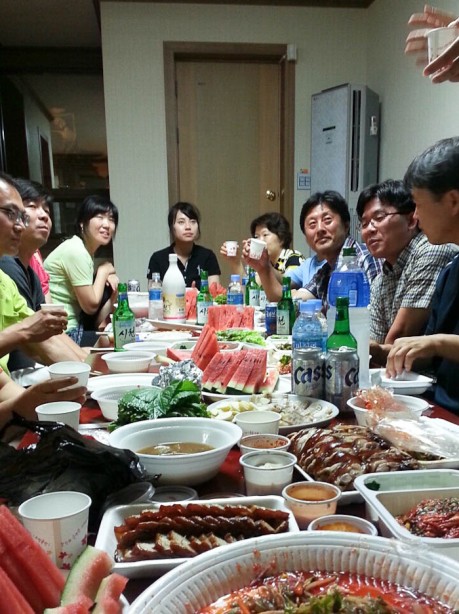
Dinner, round 2, accompanied by many shots of soju and speeches that I didn't understand a word of.

Dinner, round 2, accompanied by many shots of soju and speeches that I didn’t understand a word of.

The drinking and eating finally wound down around 1 am and I was happy to escape to my blanket and pillow on the floor to get some sleep (most Koreans sleep on the floor, not on comfy Western style beds), as I was told we’d be climbing a mountain at 7 am the next morning.  I woke up with a slight headache and a stiff body from an unrestful night of sleep and was immediately offered breakfast, which consisted of ramen (ramyeon), kimchi, corn on the cob and watermelon.  I took a piece of watermelon and a bottle of water and called it good.  I do like kimchi, but still can’t bring myself to eat it for breakfast, especially that particular morning.  As I sat sipping on terrible instant coffee that is so popular in Korea, I wondered if I’d misunderstood the part about climbing a mountain.  All the women around me were diligently doing their hair and makeup while wearing quite fashionable outfits.  I came prepared for hiking and was not looking my best.  My c0-teacher even asked me where my earrings were.  I told her I didn’t wear any because I thought we were going hiking.  She then confirmed that we were.  Hmm, I guess I am just not a fashionable hiker.

After cleaning up the rest of last night’s mess, we finally headed out for the mountain I thought we were about to climb.  Turns out it was more like a long walk in Mungyeong Saejae Provincial Park.  It was really beautiful and I was slightly relieved to not be climbing a mountain at that moment in time.  All signs were in Korean so I’m not sure about the history of the park, but it was a lovely walk.  We stopped for a break after a few hours and enjoyed some more makgeoli and pajeon (yes, more alcohol at 10 am).  Then we headed back to the entrance to get on another bus which would take us to have lunch (thankfully it wasn’t a noraebang bus this time).  We drank more beer and enjoyed grilled yakdol pork for lunch (Mungyeong specializes in this brand of pork, which comes from pigs that are fed germanium and selenium, supposedly making it healthier and tastier) and then went a ceramic museum that happened to be next door to the restaurant.  To wrap up the afternoon, we toured an omija berry farm that is famous for it’s omija sparkling wine.  The omija berry (red in color and translates to five tastes) apparently has many great health benefits including boosting the immune system and lowering blood pressure.
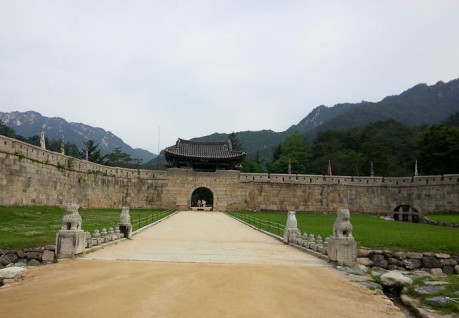
Mungyeong Saejae Provincial Park
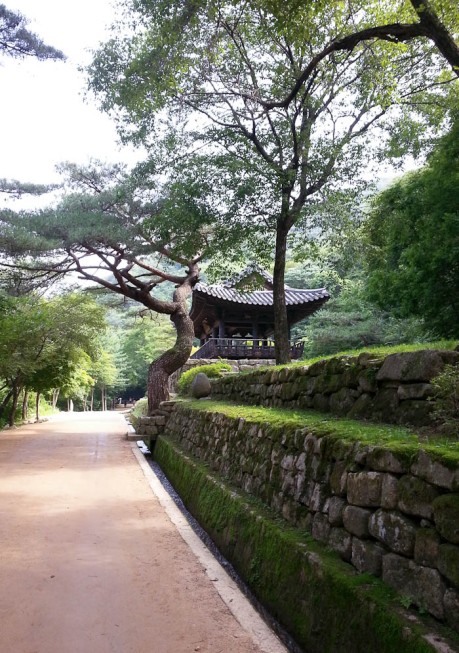
Mungyeong Saejae Provincial Park

Mungyeong Saejae Provincial Park

Mungyeong Saejae Provincial Park

My co-teacher drinking omija flavored makgeoli.

My co-teacher drinking omija flavored makgeoli.

Pajeon and omija flavored makgeoli (regular makgeoli is milky white in color).
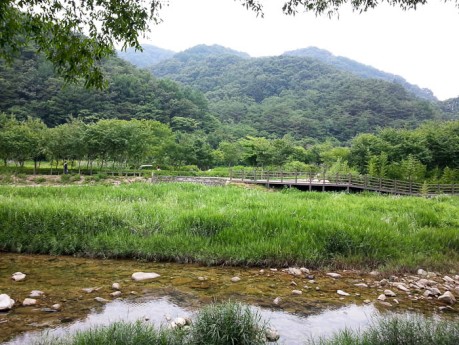
Pajeon and omija flavored makgeoli (regular makgeoli is milky white in color).

Mungyeong Saejae Provincial Park
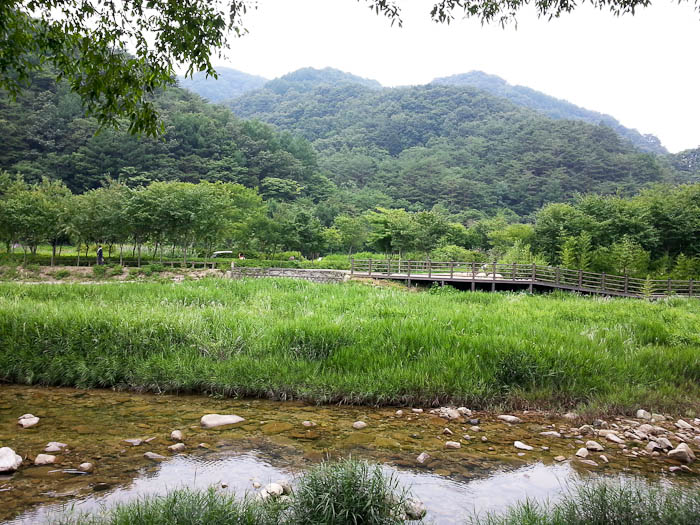
Mungyeong Saejae Provincial Park

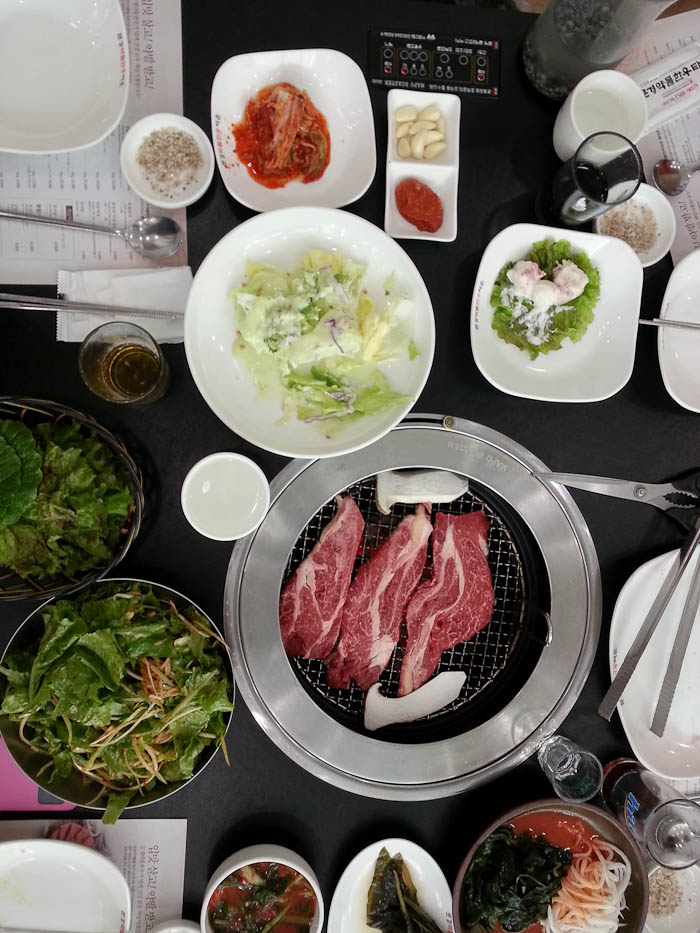
We ate yakdol pork for lunch.

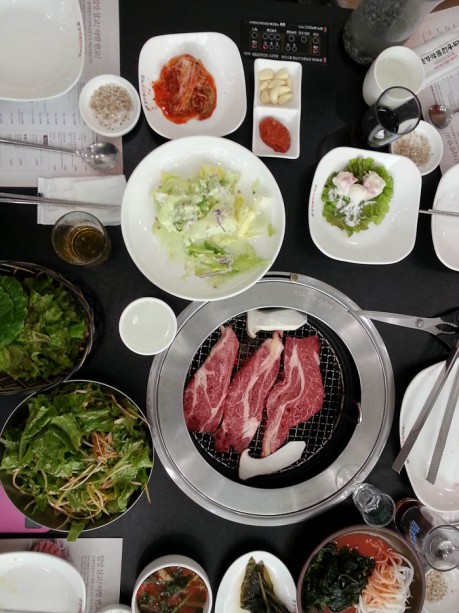
We ate yakdol pork for lunch which was grilled at our table.

Omija berries, which turn red when they're ripe.

Omija berries, which turn red when they’re ripe.

The bus ride back to our school was pretty quiet.  I think everyone was exhausted from all the eating a drinking.  I certainly was, but not just from that.  Trying to communicate with a huge language barrier can be very tiresome.  Walking into my quiet apartment, I felt a wave of relief for having survived my first overnight trip with the staff at my school.  I was hesitant to go mainly because I had no idea what to expect and it meant feeling quite awkward at times, but I am very happy I went and am grateful for the experience.  Champion!
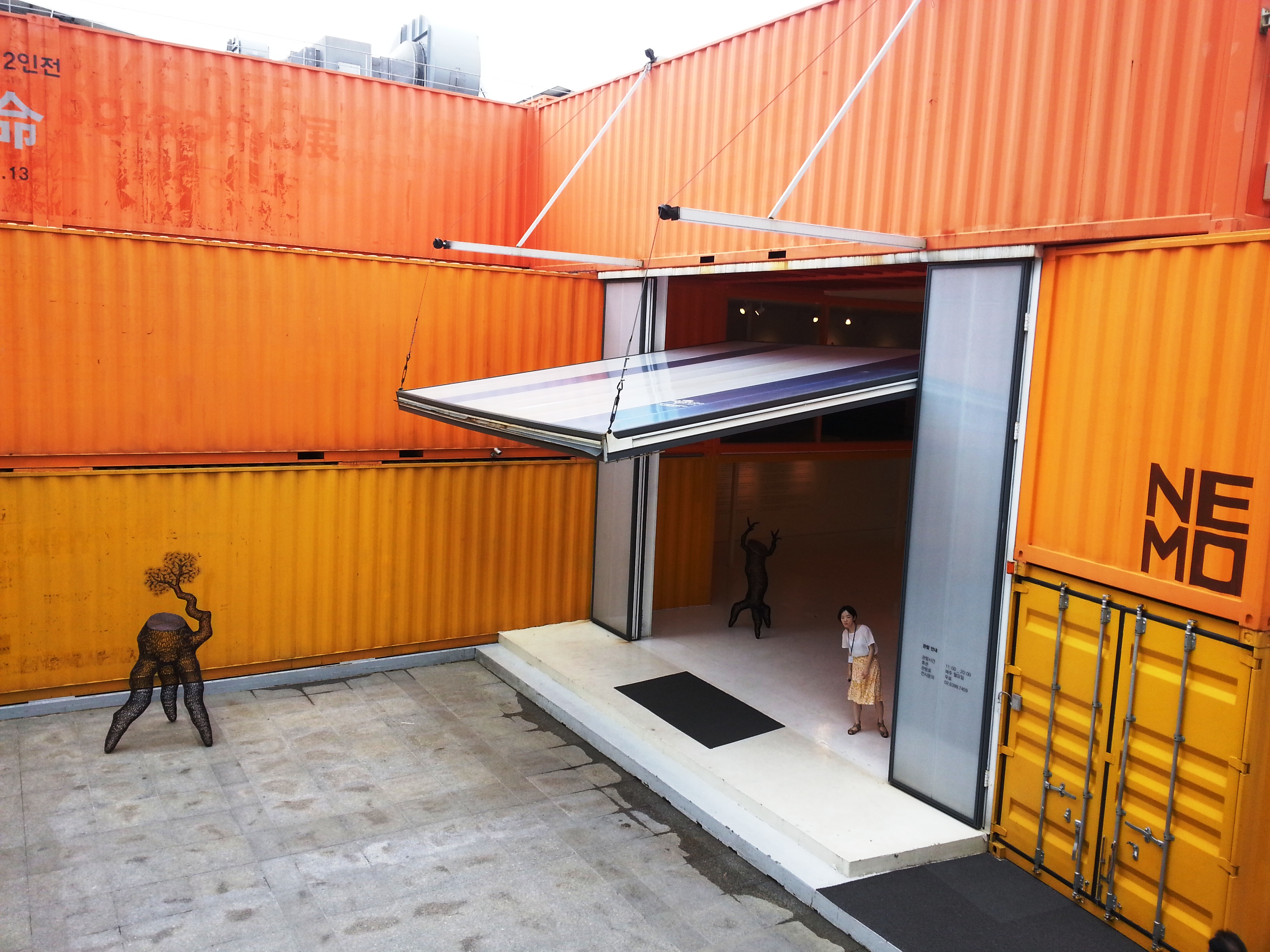
I stumbled upon this amazing gallery made out of shipping containers in Seoul. On display was an artist named Lee Gil Rae who makes tree-like sculptures out of metal.

I stumbled upon this amazing gallery made out of shipping containers in Seoul. On display was an artist named Lee Gil Rae who makes tree-like sculptures out of metal.

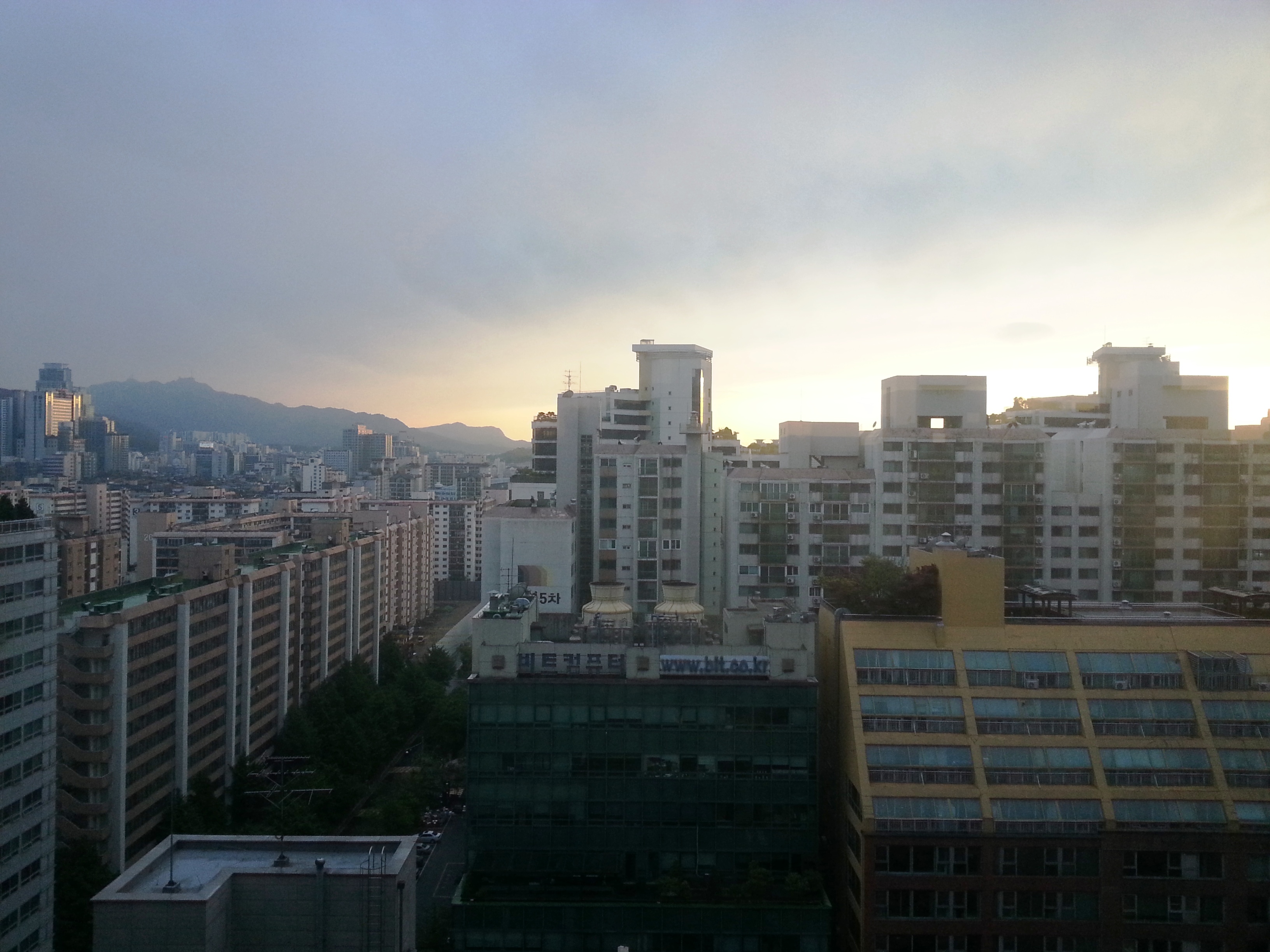
View of Seoul from N Seoul Tower.

View of Seoul from N Seoul Tower.

20140504_184619

Sunset in Seoul.

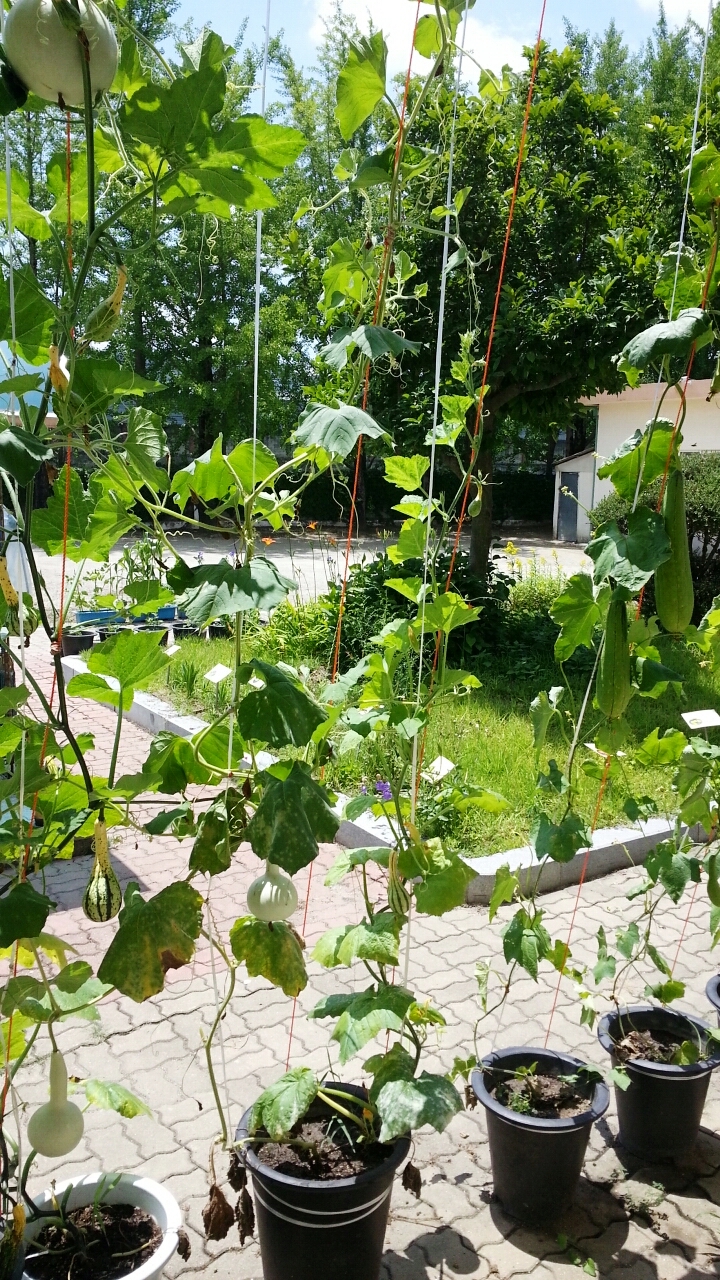
My small school plants its own vegetables. We will soon be eating a lot of squash.

My small school grows its own vegetables. We will soon be eating a lot of squash.

Yesterday's school lunch consisted of spicy kimchi soup with pork, rice, green beans with dried shrimp, kimchi, tofu dressed in a vegetable tomato sauce and a slice of a Korean melon.

Yesterday’s school lunch consisted of spicy kimchi soup with pork, rice, green beans with dried shrimp, kimchi, tofu dressed in a vegetable tomato sauce and a slice of a Korean melon.

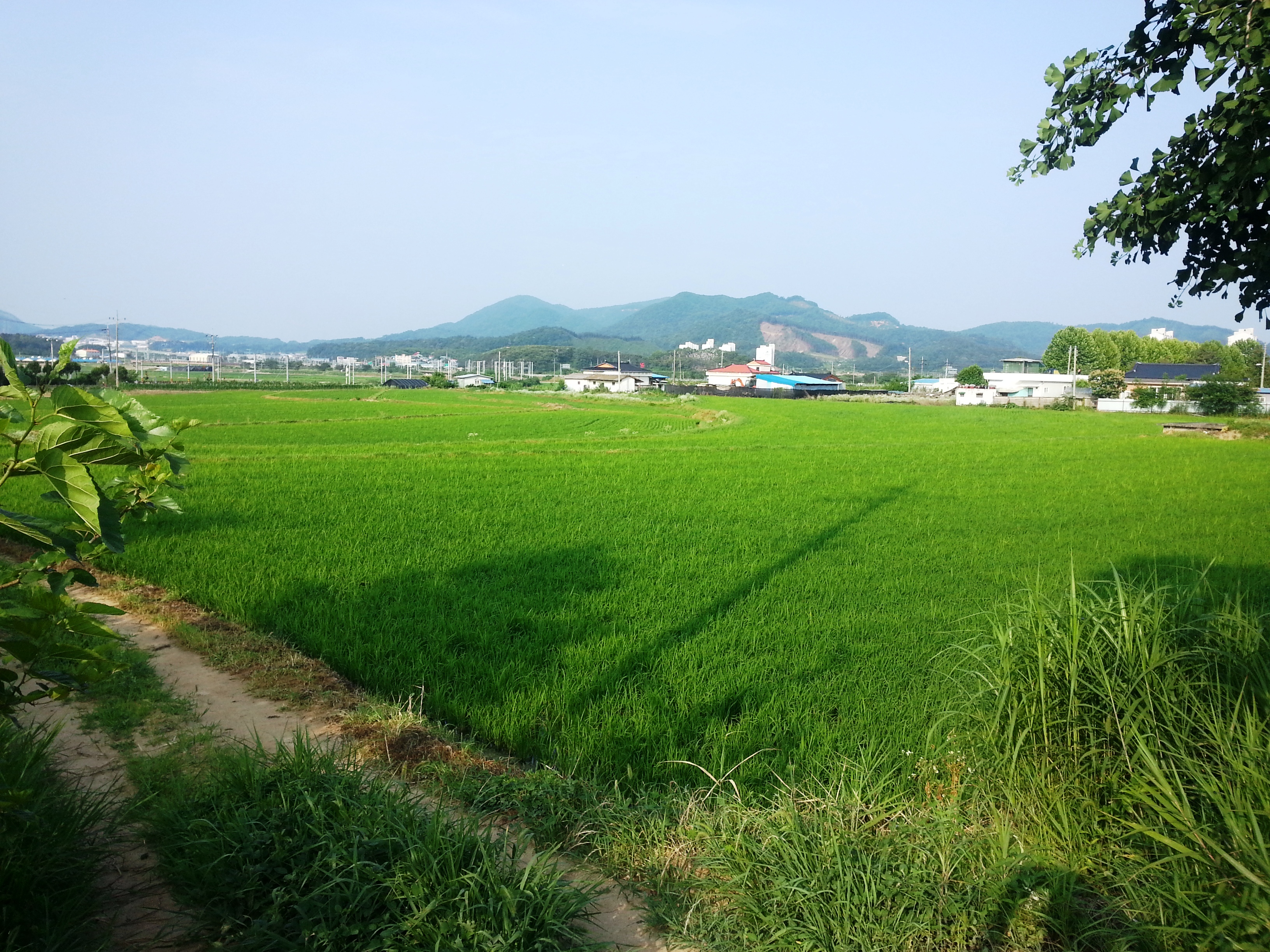
Rice fields in Eumseong.

Rice fields in Eumseong.

Hanok village rooftops in Jeonju.

Hanok village rooftops in Jeonju.

Hanok, a traditional Korean style house in Jeonju.

Hanok, a traditional Korean style house in Jeonju.

You see a lot of t-shirts and hats with English writing in Korea. Sometimes they make sense, sometimes the words are spelled correctly, other times not so much. I found this one in my local grocery store.

You see a lot of t-shirts and hats with English writing in Korea. Sometimes they make sense, sometimes the words are spelled correctly, other times not so much. I found this one in my local grocery store.

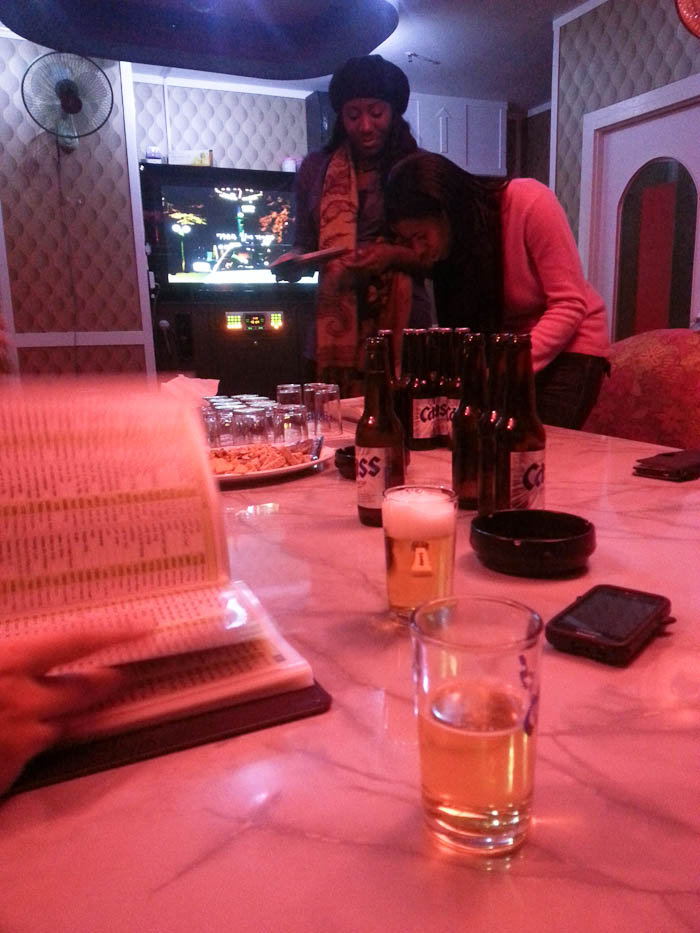
Koreans love their karaoke.  Big time.  A noraebang (노래방), which translates to singing room, can be found anywhere in Korea and are popular with both younger and older generations of Koreans (and usually foreigners, too).  Whether you’re in a big city or small town, you are likely to find one on nearly every block.  They even have them on buses and trains!  More often than not, plenty of soju is involved and it is often looked at as a bonding experience among co-workers.  So, as an English teacher in Korea, the noraebang experience is unavoidable.
Unlike western style karaoke where you usually sing in front of a crowd of strangers in a bar, you get your very own private room complete with a disco ball, strobe lights and a giant remote to enter song numbers which are picked from a giant song book.  Typically, you pay at the front desk for a certain amount of time, order snacks and drinks, and then are lead to a private room.  I am not particularly fond of singing in front of groups of people, but I’ve learned to deal with the fact that once you step foot inside of a noraebang, you probably won’t get out without singing.

I have yet to visit a noraebang with a large group of Koreans, however I just found out I will have that chance this weekend.  I am going on an overnight trip with all of the staff members at my school (only one of which speaks English) and was told I better have a song prepared.  Eeek!  If I don’t, I hear they will just pick one at random for me…I better start practicing!

20140222_211929

The first noraebang I stepped foot in during EPIK orientation with fellow English teachers during my first week in Korea.

20140308_205932

I got away with not singing for the first few times. Luckily I was with a group of foreigners who were very excited about hogging the mic.

20140308_223443

Noraebangs seem to be open at all hours, day and night. They are often the last stage of a long night full of eating and drinking.

1964855_10151941115992373_1929411101_n

I was finally convinced on my 30th birthday (it may have been the soju) to sing with a group.


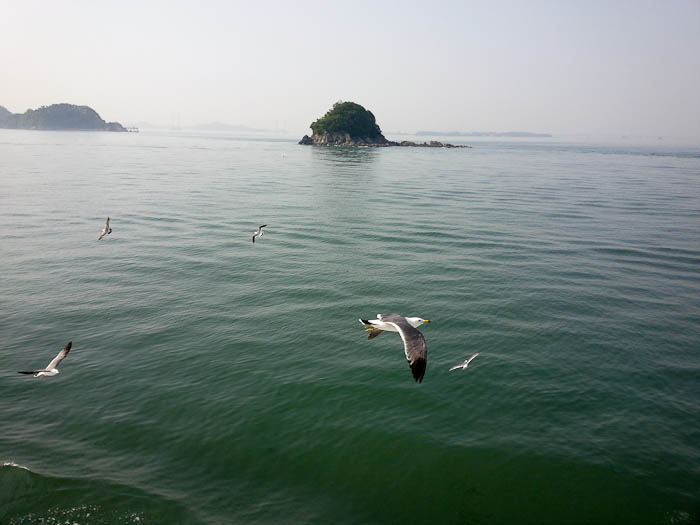
Early morning ferry to Daebudo.

Early morning ferry to Daebudo.

Koreans feeding shrimp flavored cheetos to seagulls.  This is a thing here, apparently.

Koreans feeding shrimp flavored cheetos to seagulls. This is a thing here, apparently.

Seagulls chasing the ferry, hoping for more shrimp flavored cheetos.

Seagulls chasing the ferry, hoping for more shrimp flavored cheetos.

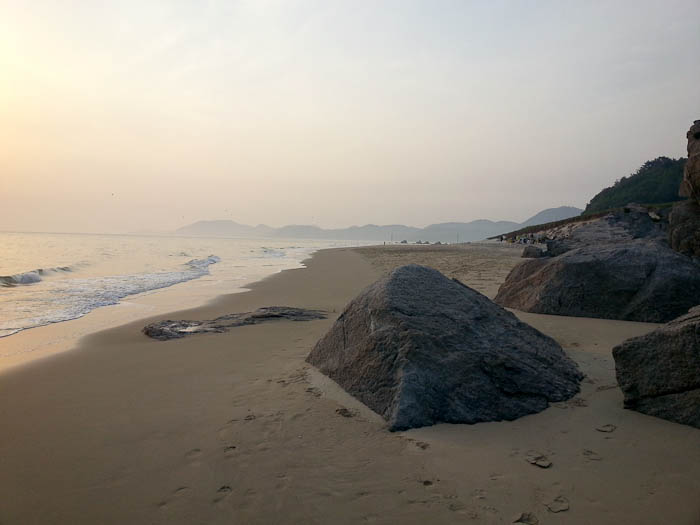
Finally made it to the beach in Korea and it happened to be on a deserted island.

Finally made it to the beach in Korea and it happened to be on a deserted island.

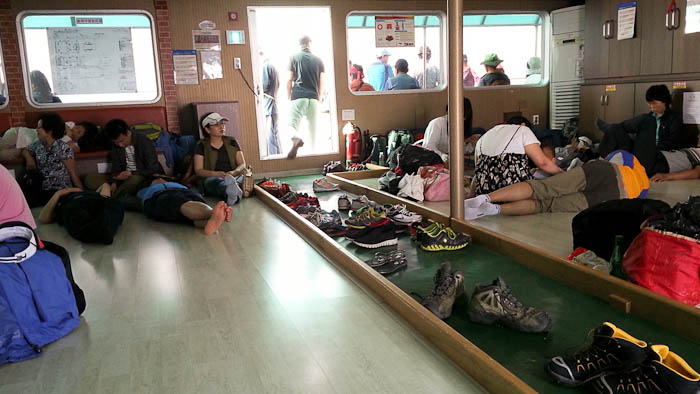
What the inside of a Korean ferry looks like. Where's the furniture?

What the inside of a Korean ferry looks like. Where’s the furniture?

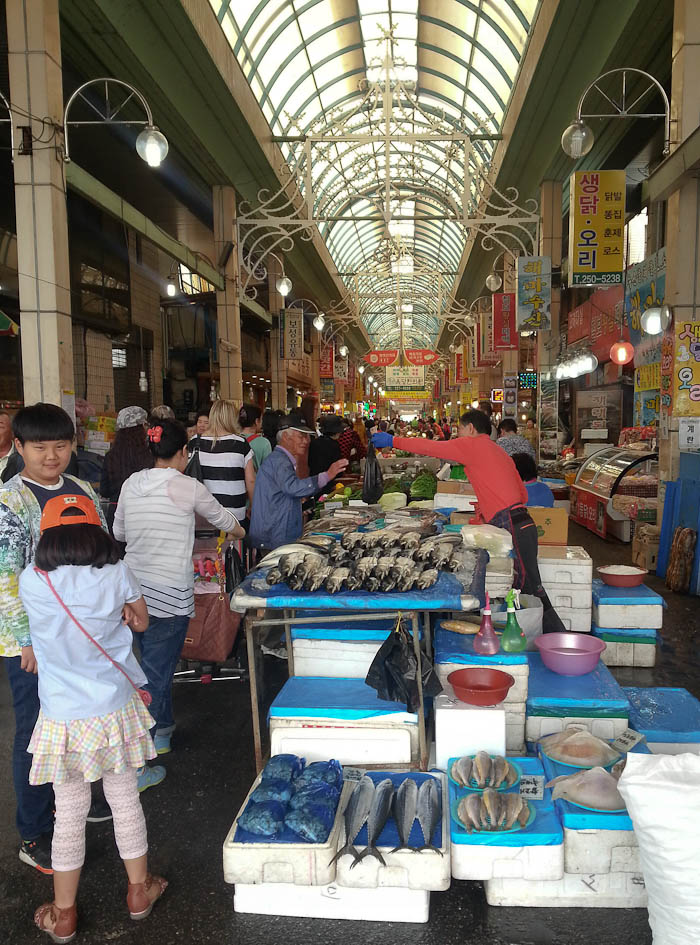
Yookguri Market in Cheongju.

Yookguri Market in Cheongju.

Hanging fish out to dry.

Hanging fish out to dry.

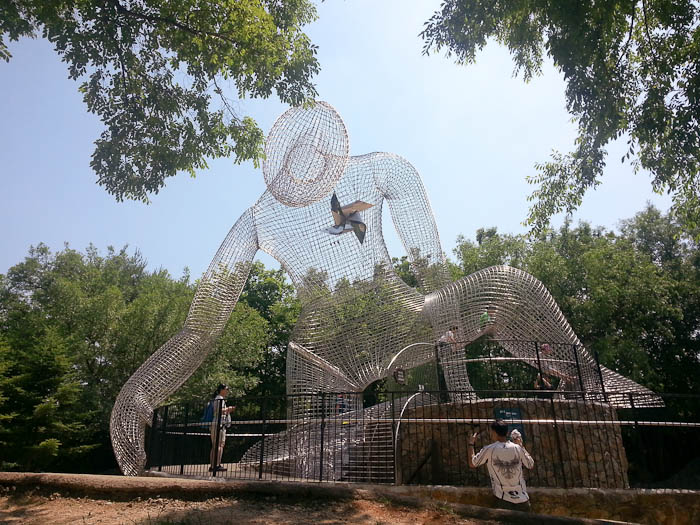
Interesting sculpture in Seoul Forest.

Interesting sculpture in Seoul Forest.

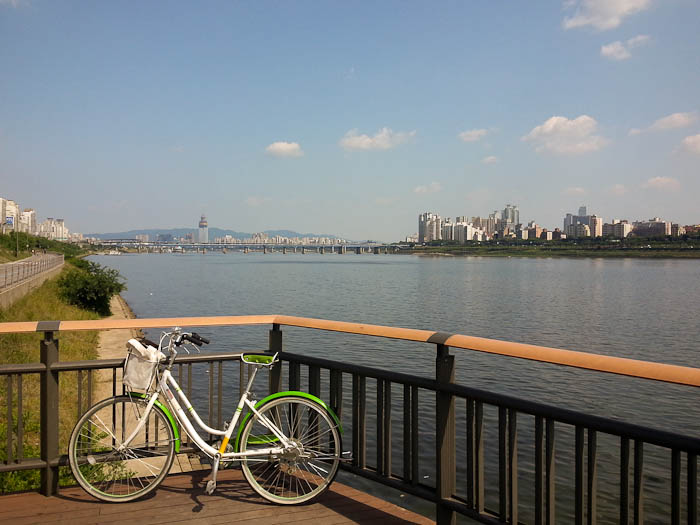
I rented a bike and cruised along the Han River in Seoul. It was such a beautiful day!

I rented a bike and cruised along the Han River in Seoul. It was such a beautiful day!

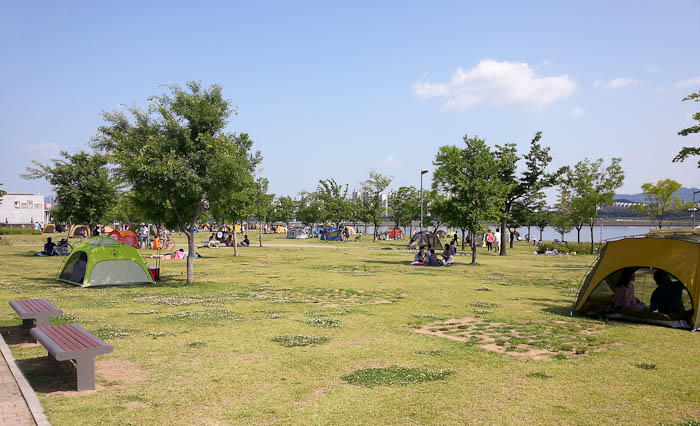
Koreans like to pitch tents for their picnics in the park. I suppose it makes sense.

Koreans like to pitch tents for their picnics in the park. I suppose it makes sense.

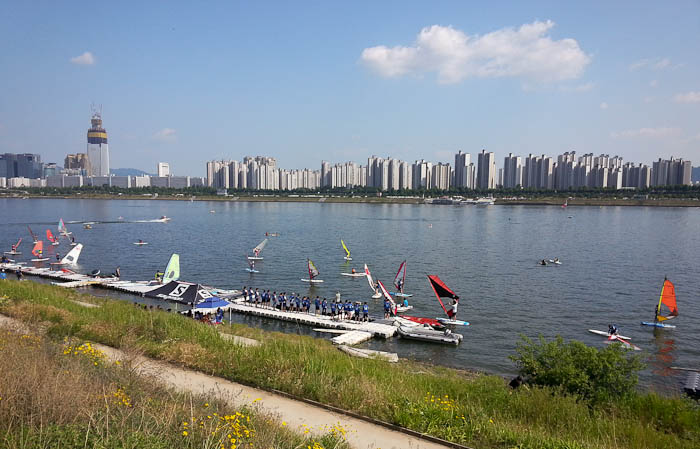
Watching windsurfing lessons on the Han River in Seoul.

Watching windsurfing lessons on the Han River in Seoul.

Chinese Shabu Shabu in Seoul. It was delicious!

Chinese Shabu Shabu in Seoul. It was delicious!

One of the questions I’m most frequently asked in Korea is, “How old are you?”  Korea has very strong roots in Confucianism, therefore seniority based on age is very prevalent not in just people’s relations with one another but also in companies, schools and sports teams.  Even if the age difference is only one year, the younger person is expected to respect to their elder through speech, body language and gestures, no matter what.  I still find myself in a state of shock when Ahjummas (older Korean women) literally push, shove, and elbow their way through a crowd or step in front of you not just in line, but when you are actually at a ticketing window, despite the fact that you might be midway through a transaction.  When taking a look around after witnessing this, however, no one bats an eyelash at how rude those actions may be.  It’s just the way it is.  You’ll see younger people bowing to their elders and addressing them with certain titles and formal language to distinguish rank.  It is also customary to pour drinks for those older than you and to let them eat, sit and stand before you as well.  Unfortunately (at least that’s they way I see it) this ranking system plays a very large role in the business world as well–positions, pay and ranking almost always go hand in hand with age, regardless of experience.

Adding to the complexity of Korea’s hierarchical system is the difference between Korean age and Western age.  Koreans believe you are born at age one (that’s a really long pregnancy…) and they do not use their birth date to determine when they turn a year older.  Instead, everyone turns one year older the first day of the new year, January 1.  I have not been in Korea to ring in the new year yet, but I wonder if it feels like one giant birthday party?

I turned 30  not long after arriving in Korea, which means I was actually already 30 in Korean age when I got here and am now 31…I think I’ll stick with Western age.  However, I usually get a surprised response when I reveal my age, which I’ll take as a good thing.  Upon meeting my co-teacher for the first time after she asked how old I was, she responded, “Oh, wow.  Westerners usually look old, but you don’t.  You must eat a lot of vegetables.”  Yes, I do.  And I think the kimchi is now helping out as well.

Some friends surprised me with a cake topped with sparklers for my 30th birthday in Korea.

Some friends surprised me with a cake topped with sparklers for my 30th birthday in Korea.

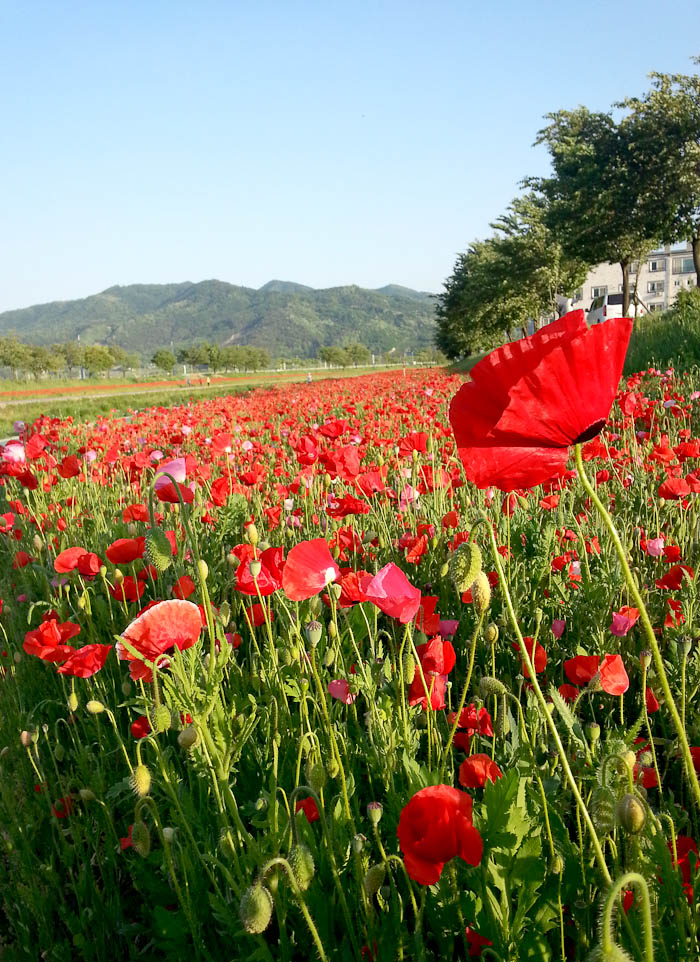
Poppies are everywhere in Eumseong!

Poppies are everywhere in Eumseong!

The trail that runs through Eumseong.

The trail that runs through Eumseong.

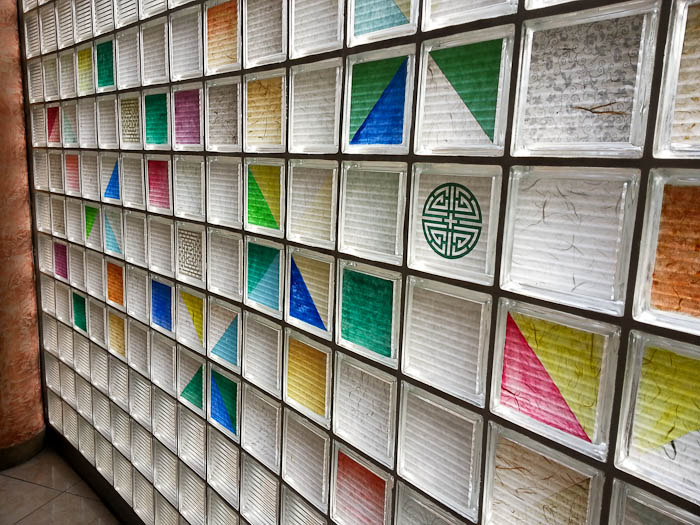
A beautiful wall at a restaurant in Jeonju, a city known for bibimbap and paper crafts.

A beautiful wall at a restaurant in Jeonju, a city known for bibimbap and paper crafts.

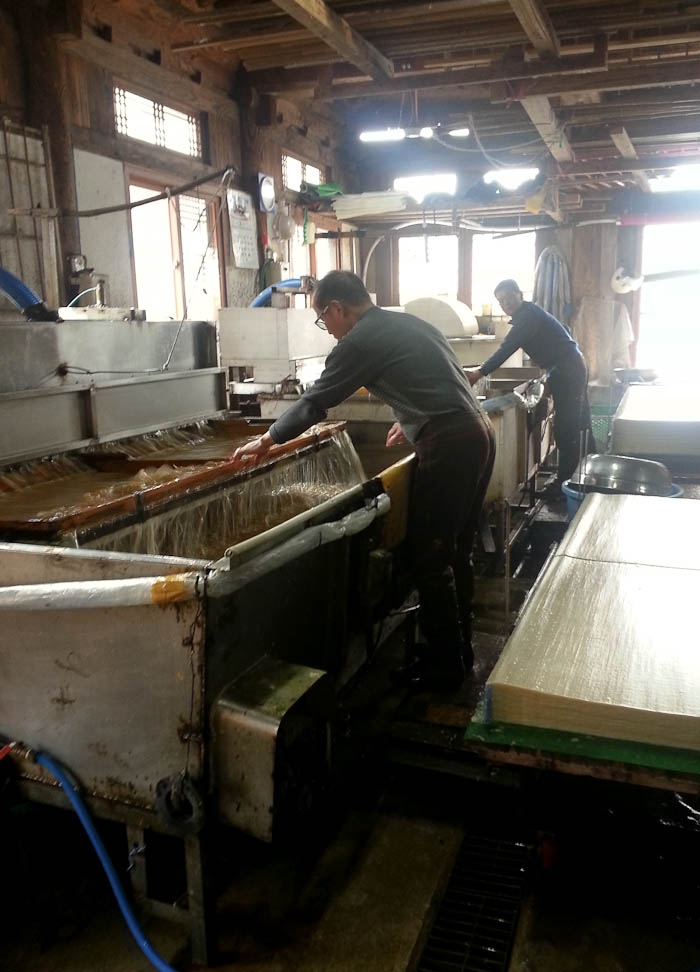
Making paper in Jeonju.

Making paper in Jeonju.

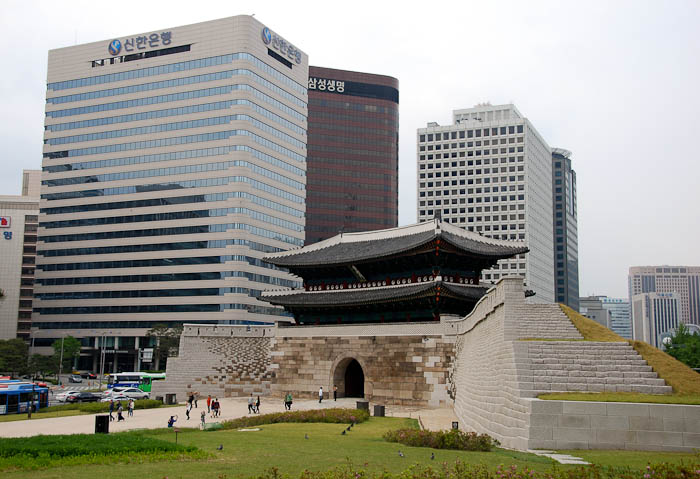
Sungnyemun Gate in Seoul

Sungnyemun Gate in Seoul

View of Gyeongbok Palace from a coffee shop in Bukchon Hanok Village which is located in Seoul.

View of Gyeongbok Palace from a coffee shop in Bukchon Hanok Village which is located in Seoul.

Ceiling at Gyeongbok Palace in Seoul.

Ceiling at Gyeongbok Palace in Seoul.

View from Munjangdae in Songnisan National Park.

View from Munjangdae in Songnisan National Park in April.

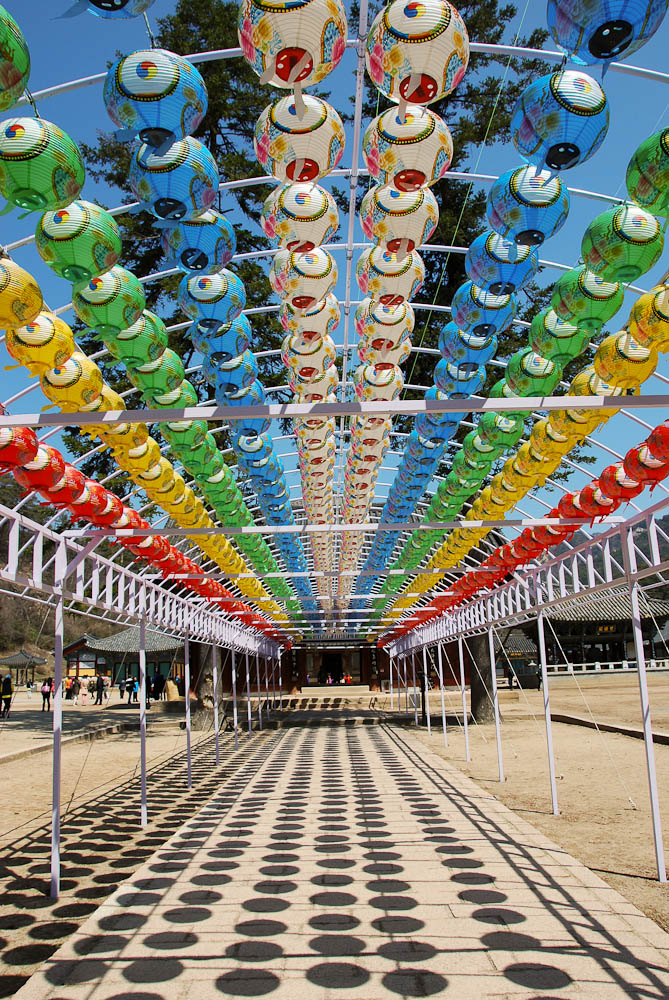
Lanterns at Beopjusa, a temple in Songnisan National Park.

Lanterns at Beopjusa, a temple in Songnisan National Park.

Chungju Lake

Chungju Lake

Chungju Lake

Chungju Lake

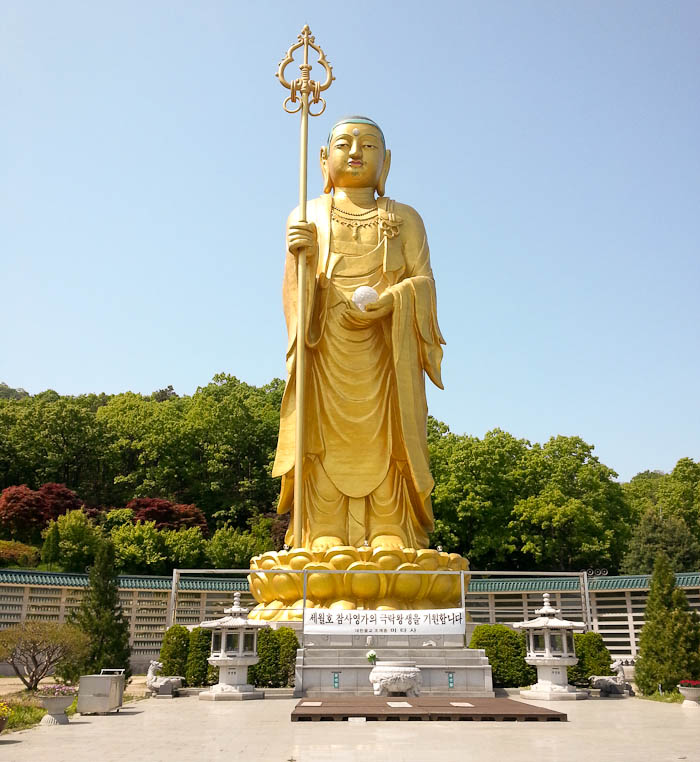
This giant Buddha is in the middle of nowhere about 15 minutes from where I live.

This giant Buddha is in the middle of nowhere about 15 minutes from where I live.

View from my apartment in Eumseong.

View from my apartment in Eumseong.

Cherry blossoms in Eumseong.

April Cherry blossoms in Eumseong.